Hearty Canadian Nova Scotia Seafood Chowder for Cozy Nights In

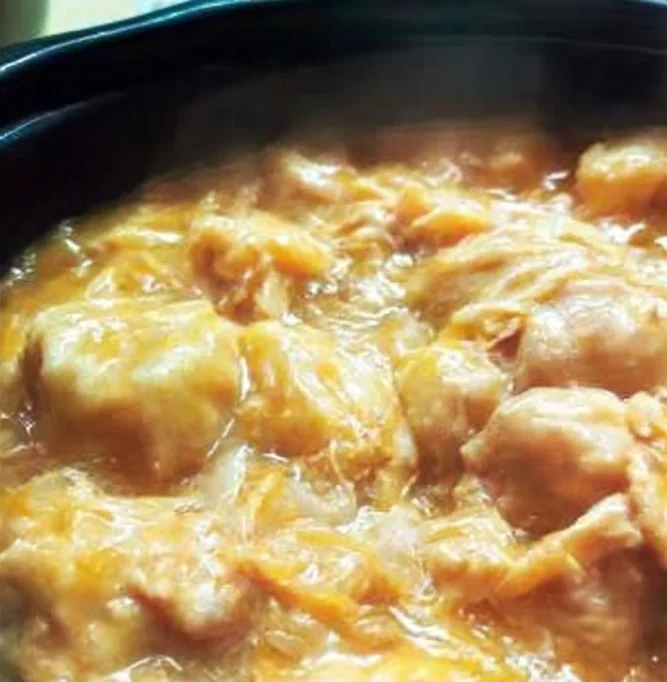
Hearty Nova Scotia Seafood Chowder for Cosy Nights In is the perfect dish for those chilly evenings when you want something warm and comforting. This rich and creamy chowder encapsulates the flavours of the Atlantic coast, bringing together a delightful medley of seafood that will make you feel as though you’re sitting seaside in Nova Scotia. Each spoonful offers a creamy texture and a burst of briny goodness, making it an ideal choice for a cosy night in.
Gather Your Hearty Nova Scotia Seafood Chowder Ingredients
To create this delightful chowder, you’ll need the following ingredients:
- 240 ml Heavy Cream (adds creaminess; substitute with half-and-half for a lighter version)
- 240 ml Whole Milk (provides smoothness; can be replaced with skim milk)
- 450 g White Fish (like Haddock, Cod, or Halibut)
- 2 medium Potatoes (Yukon Gold or Russet for heartiness)
- 2 cloves Garlic (fresh is best)
- 1 medium Onion (adds sweetness; shallots can be used for milder flavour)
- 450 g Shrimp (sweet and chewy; frozen is fine)
- 450 g Scallops (for a buttery flavour; can be omitted if unavailable)
- 450 g Mussels (introduces a briny flavour; chuck any that don’t open after cooking)
- 240 ml White Wine (optional, for depth of flavour)
- 950 ml Seafood Stock (for richness; chicken stock can be used if needed)
- 2 sprigs Aromatic Herbs (like Thyme or Bay Leaf; fresh herbs are preferred)
How to Make Hearty Nova Scotia Seafood Chowder
-
Prep the Seafood: Begin by cleaning the mussels, rinsing them under cold water, and discarding any that are open. Dice the white fish into bite-sized pieces. If using frozen shrimp, thaw them beforehand.
-
Sauté the Base: In a large pot over medium heat, add a splash of olive oil and sauté the chopped onion and minced garlic until they become translucent and fragrant.
-
Add the Potatoes: Dice the potatoes into small cubes and add them to the pot. Stir occasionally for about 5 minutes.
-
Pour in the Liquids: Add the seafood stock and, if using, the white wine. Let this mixture come to a gentle simmer.
-
Creamy Goodness: Stir in the heavy cream and whole milk. Keep the pot on low heat to prevent boiling, allowing the chowder to thicken as it warms.
-
Add the Seafood: Gently fold in the fish, shrimp, scallops, and mussels. Cook for an additional 5-7 minutes, or until the seafood is cooked through and the mussels have opened.
-
Season: Toss in the aromatic herbs like thyme and bay leaf. Season with salt and pepper to taste.
-
Final Touches: Give the chowder a good stir and remove from the heat. Let it sit for a few minutes to enhance the flavour before serving.
The Best Way to Serve It
Ladle your Hearty Nova Scotia Seafood Chowder into warm bowls and garnish with a sprinkle of freshly chopped parsley, if desired. Serve with crusty bread or warm rolls on the side to soak up every bit of the delicious broth. A crisp green salad would also pair beautifully alongside, adding a fresh contrast to the creamy chowder.
Helpful Tricks for Hearty Nova Scotia Seafood Chowder
-
Storing Leftovers: Refrigerate any leftover chowder in an airtight container for up to three days. Reheat gently over low heat, adding a splash more milk or cream if it’s too thick.
-
Seafood Variations: You can mix or match seafood based on what you like or what’s available—clams or crab also make excellent additions!
-
Make It Vegan: For a plant-based version, substitute the seafood with hearty vegetables like mushrooms and corn, and use coconut milk instead of cream and milk.
Hearty Nova Scotia Seafood Chowder FAQs
Can I use frozen seafood?
Yes, frozen seafood works well in this recipe! Just thaw it before adding to the chowder.
Can I skip the wine?
Absolutely! The chowder will still be rich and flavourful without it.
What herbs work best?
Fresh thyme and bay leaf are great choices, but dill can also add a lovely flavour.
Enjoy the warmth and comfort of Hearty Nova Scotia Seafood Chowder for Cosy Nights In. This dish is not just a meal; it’s an experience, perfect for sharing with friends or enjoying a quiet evening on your own. Happy cooking!
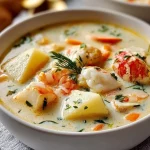
Hearty Nova Scotia Seafood Chowder
Ingredients
Dairy Ingredients
- 240 ml Heavy Cream Adds creaminess; substitute with half-and-half for a lighter version.
- 240 ml Whole Milk Provides smoothness; can be replaced with skim milk.
Seafood
- 450 g White Fish (like Haddock, Cod, or Halibut)
- 450 g Shrimp Sweet and chewy; frozen is fine.
- 450 g Scallops For a buttery flavour; can be omitted if unavailable.
- 450 g Mussels Introduces a briny flavour; chuck any that don’t open after cooking.
Vegetables and Aromatics
- 2 medium Potatoes (Yukon Gold or Russet) For heartiness.
- 2 cloves Garlic Fresh is best.
- 1 medium Onion Adds sweetness; shallots can be used for milder flavour.
Liquids
- 240 ml White Wine Optional, for depth of flavour.
- 950 ml Seafood Stock For richness; chicken stock can be used if needed.
Herbs and Seasoning
- 2 sprigs Aromatic Herbs (like Thyme or Bay Leaf) Fresh herbs are preferred.
Instructions
Preparation
- Begin by cleaning the mussels, rinsing them under cold water, and discarding any that are open.
- Dice the white fish into bite-sized pieces. If using frozen shrimp, thaw them beforehand.
Cooking
- In a large pot over medium heat, add a splash of olive oil and sauté the chopped onion and minced garlic until they become translucent and fragrant.
- Dice the potatoes into small cubes and add them to the pot. Stir occasionally for about 5 minutes.
- Add the seafood stock and, if using, the white wine. Let this mixture come to a gentle simmer.
- Stir in the heavy cream and whole milk. Keep the pot on low heat to prevent boiling, allowing the chowder to thicken as it warms.
- Gently fold in the fish, shrimp, scallops, and mussels. Cook for an additional 5-7 minutes, or until the seafood is cooked through and the mussels have opened.
- Toss in the aromatic herbs like thyme and bay leaf. Season with salt and pepper to taste.
- Give the chowder a good stir and remove from the heat. Let it sit for a few minutes to enhance the flavour before serving.