Delicious Small Batch Lemon Loaf Cake (No Butter, Moist & Soft)

Small Batch Lemon Loaf Cake (No Butter, Moist & Soft) is my go-to when I want something bright, quick, and cozy without digging out a mixer. Maybe you’re craving a sunny bake for a slow morning, or you just want a foolproof dessert that feels special with minimal effort. This loaf hits all the marks. It’s tender, lemony, and stays soft for days because we’re using olive oil and yogurt instead of butter. I tested it on a rainy Sunday afternoon, and it made the house smell like a little bakery. If you need a small-batch treat that still feels like a classic, this one’s for you. 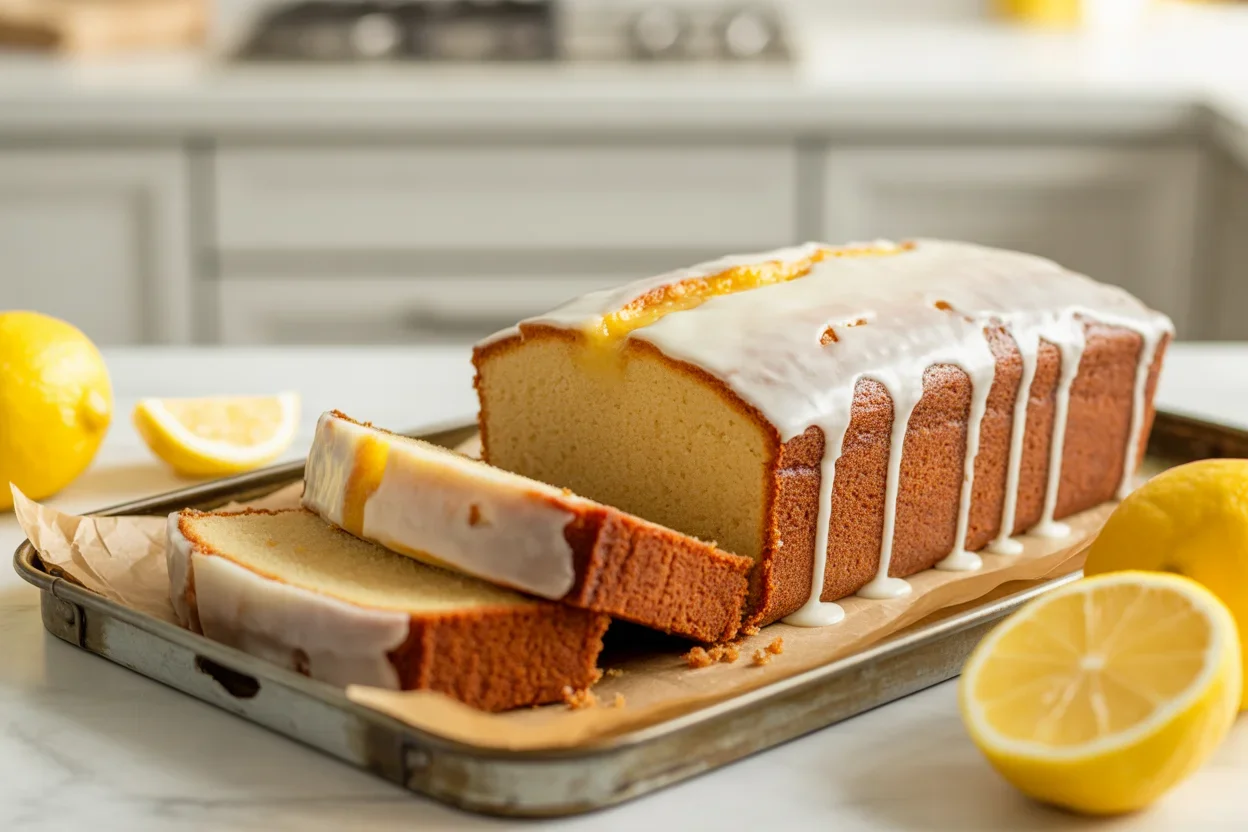
Why you’ll love this recipe
There’s a reason this loaf keeps showing up in my kitchen. It’s simple, reliable, and genuinely delicious. If you’re new to baking or just short on time, this recipe is friendly and forgiving.
Here’s the quick pitch on what makes this loaf special:
No butter required: Olive oil and yogurt keep the crumb moist and soft without heaviness. The texture stays tender even on day two or three.
Small batch size: Perfect when you want enough to share, but not so much that you’re eating cake for a week. It’s an 8 by 4 inch loaf that slices beautifully.
Lemon to the max: Plenty of zest and fresh juice bring bright, clean flavor. The lemon glaze seals in moisture and adds that glossy bakery finish.
One bowl ease: A whisk, a bowl, and a loaf pan is all you need. No creaming. No fancy gear. Just straightforward baking.
Versatile: Add poppy seeds, swap in orange zest, or fold in blueberries. You can dress it up or keep it simple.
“I baked this on a weeknight and my family finished it in two days. So soft, not too sweet, and that lemon glaze is everything.”
When I want something equally low effort with a different vibe, I also love these small batch blueberry muffins for breakfast snacking. 
How to make lemon yogurt cake with olive oil: step by step
Ingredients
- 1 cup (120 g) all-purpose flour
- 1 teaspoon baking powder
- 1/4 teaspoon baking soda
- 1/4 teaspoon fine salt
- 1/2 cup (100 g) granulated sugar
- Zest of 1 large lemon
- 1 large egg, room temperature
- 1/2 cup (120 g) plain yogurt, Greek or regular
- 1/3 cup (80 ml) light olive oil
- 2 tablespoons fresh lemon juice
- 1 teaspoon vanilla extract
Lemon glaze: 3/4 cup (90 g) powdered sugar plus 1 to 2 tablespoons fresh lemon juice, whisked until smooth and pourable.
Tools
8 by 4 inch loaf pan, parchment paper, whisk, rubber spatula, microplane or zester. If you only have a standard 9 by 5 inch pan, the loaf will bake thinner and a bit faster, so start checking early.
Step-by-step
1. Prep the pan and oven. Heat your oven to 350°F (175°C). Lightly grease your 8 by 4 inch loaf pan and line it with a parchment sling so the loaf lifts right out. This small step keeps the edges neat and cleanup easy.
2. Rub the zest into the sugar. In a mixing bowl, add the sugar and lemon zest. Use your fingertips to rub them together until the sugar smells super lemony and looks slightly damp. This unlocks the citrus oils and gives more flavor than zest alone.
3. Whisk in the wet ingredients. Add the egg, yogurt, olive oil, lemon juice, and vanilla. Whisk until the mixture is smooth and glossy. You’re building a silky base for that soft crumb.
4. Add the dry ingredients. Sprinkle flour, baking powder, baking soda, and salt right over the wet ingredients. Whisk gently until almost combined, then switch to a spatula and fold just a few times to catch any dry pockets. Stop as soon as the batter looks smooth. Overmixing makes cake tough.
5. Fill the pan and bake. Scrape the batter into the prepared pan and smooth the top. Bake for 35 to 44 minutes, depending on your oven. The loaf is done when a toothpick comes out with a few tiny crumbs and the top springs back lightly to the touch.
6. Cool and glaze. Let the loaf rest in the pan for 10 minutes, then lift it out to a rack. When it’s barely warm, whisk the powdered sugar and lemon juice until thick but pourable and drizzle over the top. The glaze sets into a shiny, slightly tangy shell that locks in moisture.
7. Slice with care. Use a serrated knife for neat slices, especially if your glaze is thick. Wipe the knife between cuts for tidy edges.
For more tiny bakes with big payoff, I’m also obsessed with my single layer chocolate cake. It’s a great partner to this lemon loaf if you’re hosting and want two flavors on the table.
Little personal note: the first time I made this version, I swapped in vanilla bean paste and it made the kitchen smell like a fancy bakery. If you have it, try it once.
Recipe Tips
- Use fresh lemons for zest and juice. Bottled lemon juice tastes flat. Zesting directly over the bowl helps catch every bit of fragrant oil.
- Pick a mild olive oil. Extra light or a mellow extra virgin works best. You want fruitiness, not peppery notes. Canola or neutral oil also works if that’s what you have.
- Greek vs regular yogurt: Both work. Greek yogurt gives a slightly denser crumb, while regular yogurt makes it extra tender. Full-fat is best for flavor.
- Do not overmix. Once the flour goes in, whisk only to combine, then fold. This is the difference between soft cake and dry cake.
- Check doneness early. Ovens vary. Start peeking at 32 minutes. If the top browns too fast, tent loosely with foil.
- Let the glaze set 20 to 30 minutes before slicing for clean cuts and a lovely sheen.
- Storage: Wrap the loaf and keep at room temp for up to 3 days, or refrigerate up to 1 week. Freeze slices for up to 2 months. Thaw at room temp and freshen with a little extra glaze if you like.
If you’re into quick bakes that deliver, you’ll also love these small batch brownies under 30 minutes. They’re perfect when a chocolate craving hits and you don’t want leftovers hanging around.
One more note for texture fans: If you like a slightly taller dome, let the batter rest in the pan for 5 minutes before baking. It gives the leaveners a jumpstart and makes a pretty crack down the center.
Additions and Substitutions
Poppy seeds: Stir in 1 tablespoon for that classic lemon poppy combo. They add a gentle crunch you’ll notice in the best way.
Blueberries: Fold in 1/2 cup fresh berries tossed with 1 teaspoon flour to help prevent sinking. Bake time may stretch by 3 to 5 minutes.
Orange twist: Swap lemon zest and juice for orange. It turns the loaf golden and a little sweeter, perfect for brunch.
Gluten-free: Use a 1 to 1 gluten free baking flour. The loaf may bake a hair faster, so check early for doneness.
Dairy-free: Use a dairy-free yogurt with similar texture to regular yogurt. Coconut yogurt gives a subtle tropical note that plays well with lemon.
Oil swaps: Neutral oil like canola or sunflower works if you do not have olive oil. Melted coconut oil works too, but make sure the yogurt and eggs are at room temp so the fat stays smooth.
Sugar options: You can use superfine cane sugar for slightly tighter crumb. Brown sugar will make it a bit denser and change the color, but it’s still tasty.
More Easy Cake Recipes
Love simple small-batch cakes that taste like a treat without the fuss? Try these next:
For a cozy classic, my coffee cake is a brunch favorite. If you want something fruity and nostalgic, cherry lovers will go wild for my easy cherry cake. And chocolate fans should not miss this single-layer chocolate cake that stays moist for days. Pair any of these with fresh berries and whipped cream and you have dessert handled.
Common Questions
Can I make this ahead?
Yes. Bake the loaf, cool fully, and glaze the day you plan to serve. Wrapped well, it stays soft for up to 3 days at room temp.
What kind of olive oil should I use?
A light olive oil with gentle flavor is best. If your extra virgin is fruity and mild, it works too. Strong, peppery oils can overwhelm the lemon.
Can I double the recipe?
Absolutely. Double everything and bake in a standard 9 by 5 inch loaf pan for about 50 to 60 minutes, checking early.
How do I know it’s done without overbaking?
Look for a springy top and a toothpick that comes out with a few moist crumbs. If it looks wet, give it a few more minutes and check again.
Can I skip the glaze?
You can, but the glaze adds moisture and extra lemon flavor. If you prefer less sweetness, brush the warm loaf with straight lemon juice for a light zing.
Ready to bake your new favorite lemon loaf
This Small Batch Lemon Loaf Cake (No Butter, Moist & Soft) is the kind of recipe you’ll keep in your back pocket. It’s bright, quick, and tastes even better the next day. If you’re curious to compare styles, this guide from Lemon Yogurt Cake with Olive Oil – Katiebird Bakes lines up nicely with my approach, especially on why olive oil and yogurt make such a tender crumb. Give this a whirl the next time you have a couple lemons on the counter and want something simple that still feels special. I can’t wait to hear how it turns out in your kitchen. 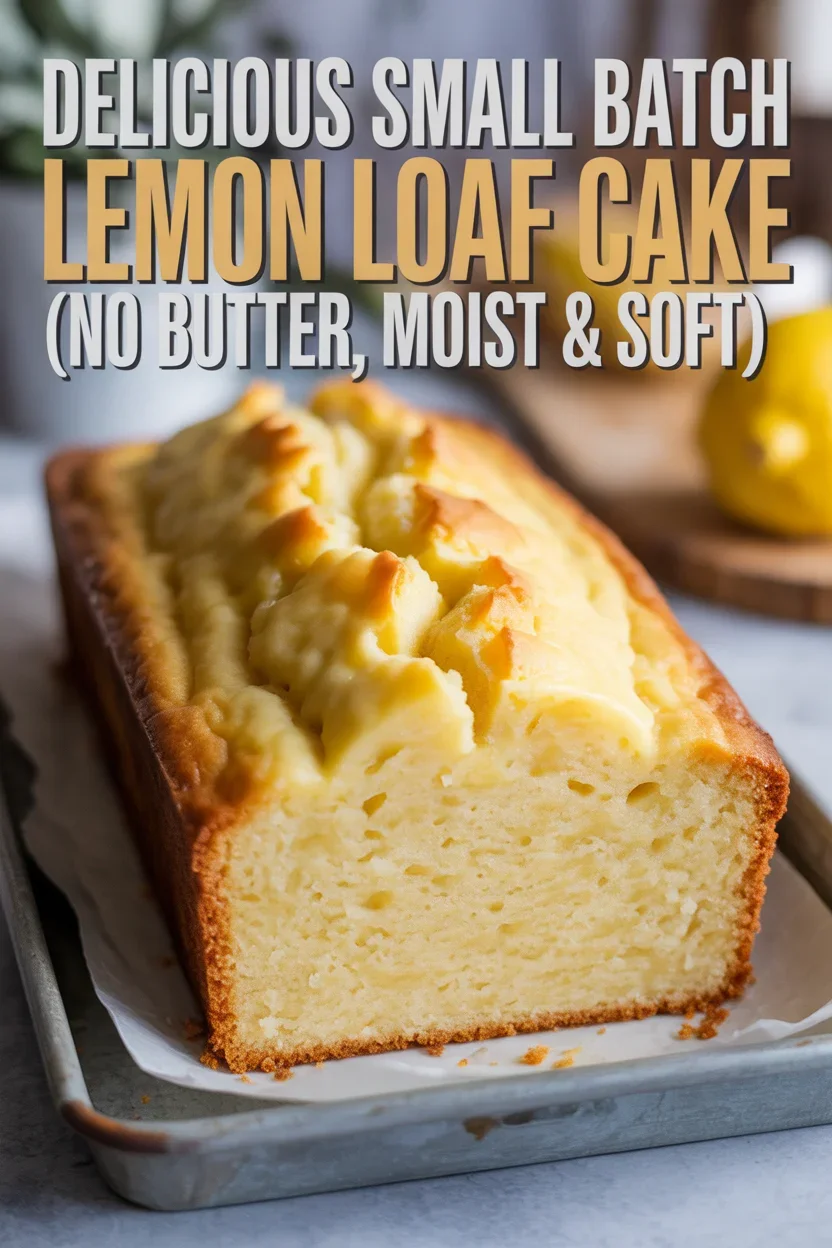

Lemon Yogurt Cake
Ingredients
Dry Ingredients
- 1 cup all-purpose flour
- 1 teaspoon baking powder
- 1/4 teaspoon baking soda
- 1/4 teaspoon fine salt
- 1/2 cup granulated sugar
Wet Ingredients
- Zest of 1 large lemon lemon zest
- 1 large egg, room temperature
- 1/2 cup plain yogurt, Greek or regular
- 1/3 cup light olive oil
- 2 tablespoons fresh lemon juice
- 1 teaspoon vanilla extract
Lemon Glaze
- 3/4 cup powdered sugar plus 1 to 2 tablespoons fresh lemon juice, whisked until smooth and pourable
Instructions
Preparation
- Heat your oven to 350°F (175°C). Lightly grease your 8 by 4 inch loaf pan and line it with parchment paper.
- In a mixing bowl, add the sugar and lemon zest. Use your fingertips to rub them together until the sugar is aromatic.
- Add the egg, yogurt, olive oil, lemon juice, and vanilla. Whisk until the mixture is smooth.
Baking
- Sprinkle the flour, baking powder, baking soda, and salt over the wet ingredients. Mix gently until almost combined, then fold gently with a spatula.
- Scrape the batter into the prepared pan. Bake for 35 to 44 minutes, until a toothpick comes out with a few crumbs.
Finishing Touches
- Let the loaf rest in the pan for 10 minutes, then transfer to a cooling rack.
- While warm, whisk the powdered sugar and lemon juice together and drizzle over the loaf.
- Allow to set before slicing with a serrated knife.