Artichoke Chicken Piccata
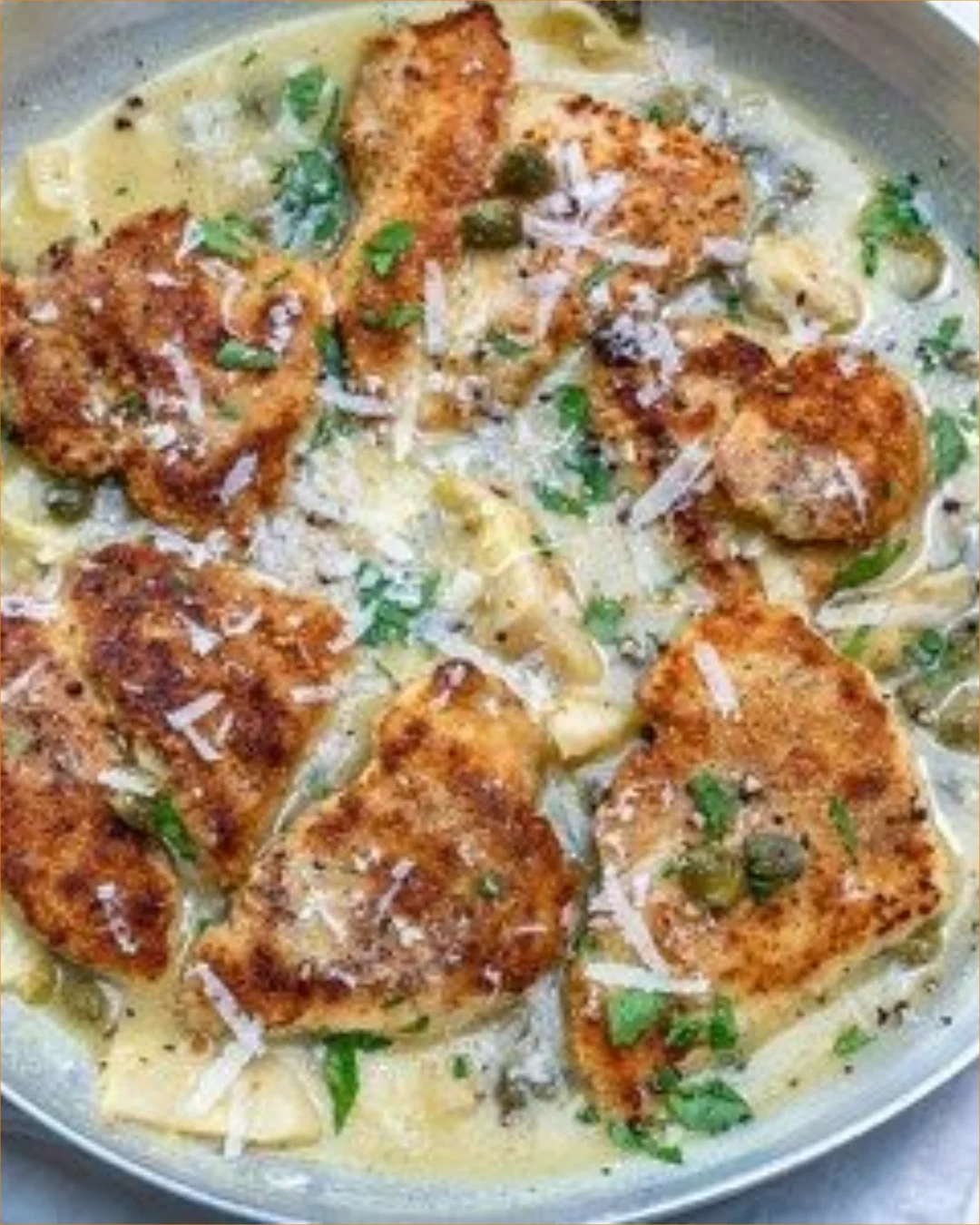
Artichoke Chicken Piccata is a delightful dish that brings a fresh twist to the classic piccata recipe. It’s gaining popularity for a good reason! With its juicy chicken, zesty lemon, and savory marinated artichokes, this meal is not just delicious but also quick to prepare. Whether you’re serving it for a cozy family dinner or a gathering with friends, the bright flavors and lovely presentation make it a perfect choice. Plus, it’s packed with protein and healthy fats, making it a win-win for your taste buds and your health.
Ingredients You’ll Need
- 1.5 lbs. (680 g) boneless, skinless chicken breasts
- 1/2 cup (50 g) almond flour
- 1/4 cup (25 g) grated parmesan cheese, plus more to garnish
- Sea salt and freshly ground pepper to taste
- 2 Tbsps extra virgin olive oil
- 2 Tbsps grass-fed butter or ghee
- 2 fresh garlic cloves, pressed
- 1 jar (6 oz. / 170 g) marinated artichoke hearts, drained and quartered
- 1/2 cup (120 ml) white wine
- 1/2 cup (120 ml) low-sodium or homemade chicken bone broth
- Juice of 1 fresh lemon
- 3 Tbsps capers
- A small handful of fresh parsley, chopped
How to Make Artichoke Chicken Piccata
- Begin by adding almond flour to a shallow plate or bowl. Whisk in the parmesan cheese, sea salt, and freshly ground pepper to create a flavorful coating.
- Dredge each piece of chicken in the almond flour mixture, shaking off any excess.
- Heat a large frying pan over medium-high heat and add 1 tablespoon of olive oil.
- Cook the chicken in two batches, ensuring you don’t overcrowd the pan. Each side should be golden brown, taking about 3-4 minutes. Use the remaining oil for the second batch and then transfer the chicken to a plate.
- In the same pan, add the butter, garlic, and artichokes. Sauté for about 2 minutes until the garlic is fragrant.
- Stir in the wine and let it simmer until the liquid is reduced by half, which should take about 3 minutes.
- Pour in the broth, lemon juice, and capers. Continue cooking until the sauce thickens slightly, approximately 5-6 minutes.
- Return the chicken to the pan and cook until it’s heated through.
- Serve by spooning the sauce over the chicken and sprinkle with parsley and extra parmesan if desired.
Why This Artichoke Chicken Piccata Is So Popular Right Now
People are flocking to this Artichoke Chicken Piccata recipe for several reasons. First, it’s a dish that perfectly balances flavor and health—thanks to the lean chicken, fresh herbs, and nutritious artichokes. Secondly, it’s easy to whip up even on a busy weeknight, making it a go-to for home cooks everywhere. With many of us looking to explore new flavors and healthier options in our meals, this trendy recipe fits right in!
How to Serve It
This Artichoke Chicken Piccata is best served hot right off the stove, making it perfect for dinner. It pairs wonderfully with a side of steamed vegetables, mashed cauliflower, or a fresh green salad. For an extra touch, consider topping it with some grated parmesan or a sprinkle of fresh herbs. You can also serve it over a bed of pasta or rice for a heartier meal.
Expert Tips for Artichoke Chicken Piccata
- Storage: Leftovers can be stored in an airtight container in the refrigerator for up to 3 days. Reheat gently on the stove to keep the chicken moist.
- Variations: Feel free to add spinach or sun-dried tomatoes for some extra veggies. You can also swap the chicken for shrimp if you’re in the mood.
- Dietary Swaps: If you’re looking for a gluten-free alternative to the almond flour, you can use a gluten-free flour blend.
Artichoke Chicken Piccata FAQs
Can I make this recipe in advance?
Yes, you can prepare the chicken ahead of time and reheat it before serving. Just be careful not to overcook it again.
What wine should I use?
A dry white wine works best, but if you prefer not to cook with wine, you can use extra chicken broth instead.
What can I serve with this dish?
Artichoke Chicken Piccata goes well with mashed potatoes, rice, or a light salad to balance the flavors.
Can I freeze the leftovers?
Yes, it’s safe to freeze the leftovers. Just make sure to store them in a freezer-safe container for up to 2 months.
Give this Artichoke Chicken Piccata a try at home! You’ll love the burst of flavors and the ease of preparation. Enjoy a delightful meal with family and friends!
Artichoke Chicken Piccata
Ingredients
Main Ingredients
- 1.5 lbs. 1.5 lbs. boneless, skinless chicken breasts Cut into fillets if needed
- 1/2 cup 1/2 cup almond flour
- 1/4 cup 1/4 cup grated parmesan cheese Plus more to garnish
- to taste Sea salt and freshly ground pepper
- 2 Tbsps 2 Tbsps extra virgin olive oil Divided for cooking
- 2 Tbsps 2 Tbsps grass-fed butter or ghee
- 2 cloves 2 fresh garlic cloves, pressed
- 1 jar (6 oz.) 1 jar marinated artichoke hearts, drained and quartered
- 1/2 cup 1/2 cup white wine A dry white wine works best
- 1/2 cup 1/2 cup low-sodium or homemade chicken bone broth
- Juice of 1 Juice of 1 fresh lemon
- 3 Tbsps 3 Tbsps capers
- A small handful A small handful of fresh parsley, chopped
Instructions
Preparation
- Add almond flour to a shallow plate or bowl. Whisk in the parmesan cheese, sea salt, and freshly ground pepper to create a flavorful coating.
- Dredge each piece of chicken in the almond flour mixture, shaking off any excess.
Cooking
- Heat a large frying pan over medium-high heat and add 1 tablespoon of olive oil.
- Cook the chicken in two batches, ensuring you don’t overcrowd the pan. Each side should be golden brown, taking about 3-4 minutes. Use the remaining oil for the second batch and then transfer the chicken to a plate.
- In the same pan, add the butter, garlic, and artichokes. Sauté for about 2 minutes until the garlic is fragrant.
- Stir in the wine and let it simmer until the liquid is reduced by half, which should take about 3 minutes.
- Pour in the broth, lemon juice, and capers. Continue cooking until the sauce thickens slightly, approximately 5-6 minutes.
- Return the chicken to the pan and cook until it’s heated through.
- Serve by spooning the sauce over the chicken and sprinkle with parsley and extra parmesan if desired.