Deliciously Light Small Batch Japanese Castella Cake Recipe
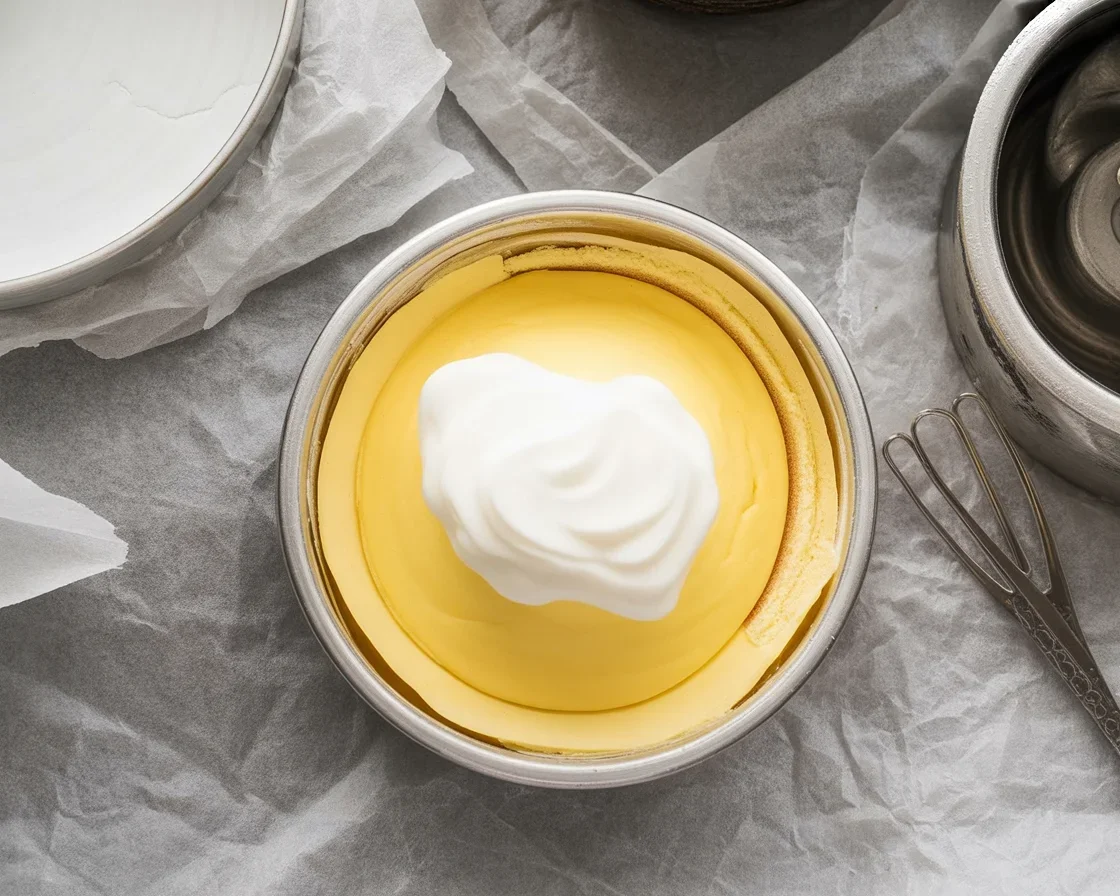
Small Batch Japanese Castella Cake is what I bake when I want something soft, lightly sweet, and perfect with tea. If you’ve ever been overwhelmed by gigantic cakes or recipes that feed a crowd, this one’s for you. It’s simple, soothing, and gets that bouncy texture without a ton of fuss. I’ll walk you through everything I’ve learned, including a few handy tricks from Japanese baking, so you can get a tender crumb and a shiny top. By the way, you won’t need special equipment, just a steady oven and a gentle hand. Let’s get cozy and bake smart. 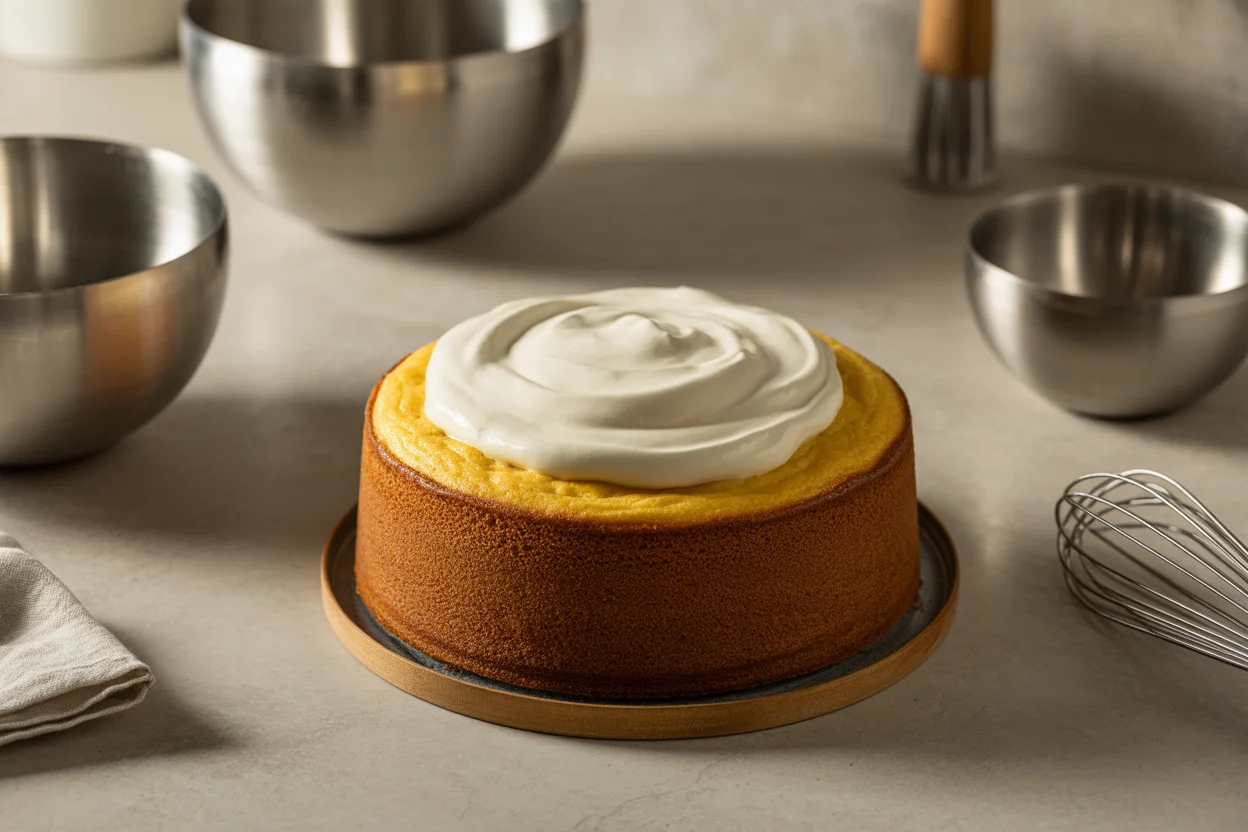
How to make Japanese Cotton Cheesecake
What you need
Even though we’re chatting about Castella today, I get a lot of questions about its fluffy cousin, Japanese cotton cheesecake. They share that cloudlike bite, but the methods are a little different. Cheesecake leans on cream cheese and a water bath for steam, while Castella leans on eggs, sugar, and flour for a pure, honeyed sponge. If you’re in the mood to try cotton cheesecake too, here’s a small, fuss free blueprint that mirrors the same gentle technique we use in light Japanese sponges.
- Room temperature eggs so they whip up with more volume
- Cream cheese softened so it mixes without lumps
- Milk and a touch of butter for moisture and tenderness
- Cake flour for a delicate crumb and smooth structure
- Sugar in two parts to stabilize the meringue and sweeten the base
Simple method that never fails
Whisk the cream cheese, milk, and butter until silky. Stir in egg yolks, a bit of sugar, and sifted cake flour. In a clean bowl, beat the whites with the rest of the sugar until soft to medium peaks. Fold the meringue into the batter in three gentle additions, then pour into a lined pan. Bake low and slow with a warm water bath so the cake rises evenly and stays cushiony. Let it cool in the oven with the door cracked so it does not collapse from a sudden temperature change.
If you came here for the Small Batch Japanese Castella Cake, you’ll notice the eggs and flour ratio is different, and there is no cream cheese. That’s the beauty of Castella. It’s pure sponge with a whisper of honey, and it bakes up with a bouncy, finely tight crumb.
“I tried your castella method last night and my family demolished it. The texture was cotton soft and not too sweet. Saving this for every weekend tea.”
Variations of Japanese Cotton Cheesecake
Flavor twists to keep it fun
Once you’ve got the gentle folding and low temperature baking down, play with the flavors. A little lemon zest and vanilla create a bright, bakery style profile. Matcha powder lifts the color and gives a delicate bitterness that pairs beautifully with strawberries. You can marble in chocolate by swirling a small portion of batter with cocoa and pouring it over the plain batter.
Castella lovers can get creative too. Try adding a spoon of honey for a deeper aroma, or infuse the milk with black tea before mixing it in. Keep changes small so you do not throw off structure. Remember, small batch bakes are sensitive, and a little tweak goes a long way.
If you like simple, reliable bakes you can also try these cozy treats for a sweet break: small batch blueberry muffins. They are tender, quick, and freezer friendly, perfect for a calm morning.
Tips for Baking Perfect Japanese Sponge Cake
These are the exact notes that help me get consistent results for cotton cheesecake and Castella. The goal is a fine, even crumb, with a gentle bounce and a clean slice. Keep it simple. Be patient. Let the oven do the heavy lifting.
Whisking eggs like a pro without the stress
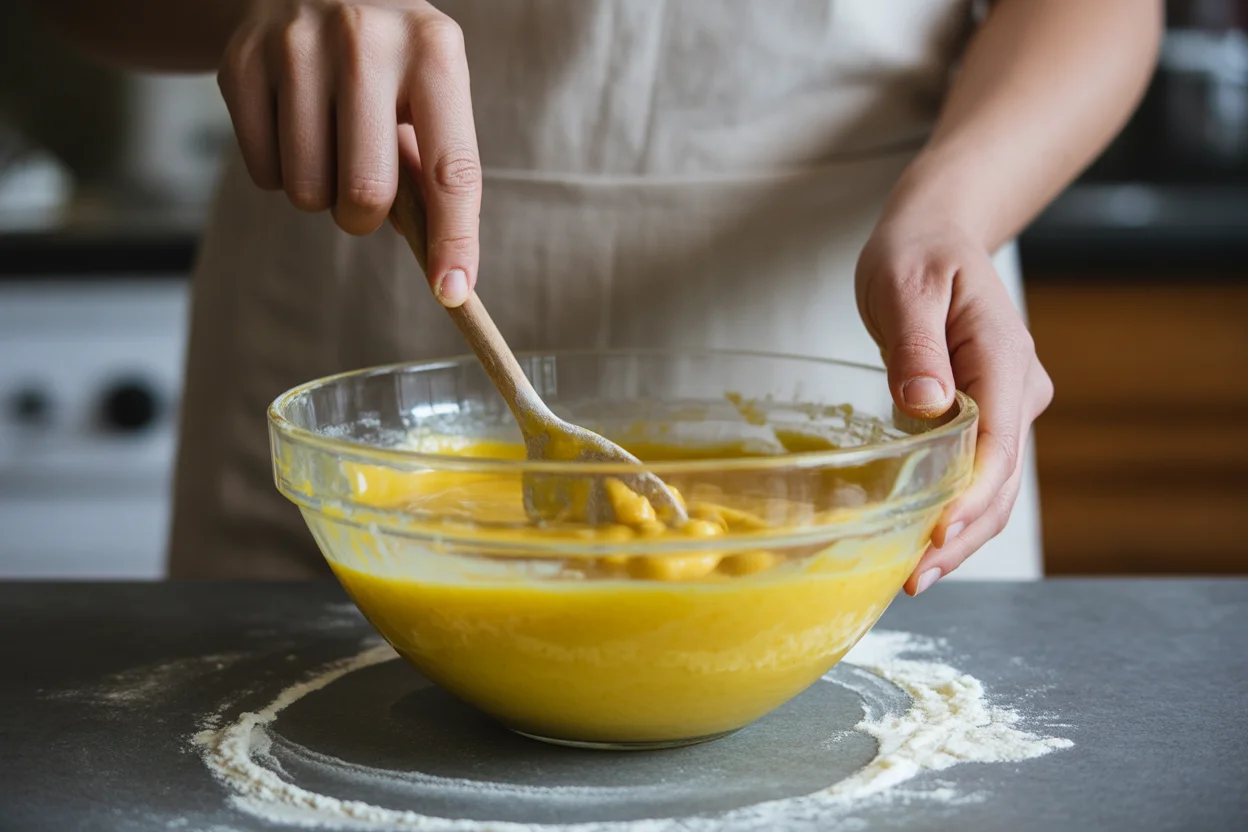
Egg whites are your structure. Use clean, dry bowls and beaters. Any grease makes the whites sluggish. Whip to soft to medium peaks so they fold in evenly without streaks or deflation. If you go too stiff, you will get air pockets and a dry crumb. Add sugar slowly while whipping to stabilize the meringue. When you fold, go slow and steady, sweeping from the bottom of the bowl and turning the bowl each fold. The batter should look shiny and smooth, not foamy.
Temperature and pan choices
Preheat the oven and give it a few extra minutes so it’s stable. Low to moderate heat works best. Too hot and your cake will puff and crack, then shrink. Line the pan with parchment, leaving a collar that rises above the rim. This supports the climb and gives a clean edge. For Castella, a loaf or small square pan is perfect. For cheesecake, use a round pan and a shallow water bath for steam. Both sponges relax as they cool, so leave the cake in the oven with the door cracked open for 10 to 15 minutes to avoid sudden shock.
Gentle reminders: weigh ingredients if you can, keep your movements slow, and tap the pan once before baking to burst big bubbles. These tips apply to Small Batch Japanese Castella Cake too, and they make all the difference.
If you’re craving a deeper chocolate moment alongside your airy sponge, try these quick small batch brownies. They bake fast and nicely balance the lighter texture of Japanese cakes.
Storage and Shelf Life
Delicate cakes need a little care. For Castella, let the cake cool completely, then wrap it snugly. It actually tastes better the next day after the moisture redistributes. I like to keep it in an airtight container at cool room temperature for up to 2 days, or in the fridge for 4 days. Bring it to room temp before serving for the softest bite.
Japanese cotton cheesecake should be refrigerated. Wrap it well, then chill for up to 4 days. The texture firms slightly in the fridge but stays pillowy if you do not overbake. Always slice with a warm knife for clean edges.
Freezing works too. Slice, wrap each piece, then freeze for up to one month. Thaw in the fridge overnight. If you want to pair your afternoon tea with something chocolatier on day two, this single layer chocolate cake is a lovely companion.
For a note on keeping quality, Small Batch Japanese Castella Cake tends to stay tender longer than standard sponge thanks to the higher sugar and honey content. That gentle sweetness locks in moisture and keeps the crumb bouncy.
Related Recipes for Japanese Desserts
If you liked the texture and style here, you’ll love exploring a few other Japanese inspired sweets and tea time bites. Try matcha roll cake with lightly sweetened whipped cream, daifuku mochi for a chewy treat, or a sesame chiffon if you want a delicate, nutty aroma. All of them reward patience and gentle handling. They also pair well with fresh fruit, lightly sweet tea, and a quiet afternoon at home.
I keep notes on what works for me. Things like preheating longer than I think I need, using room temperature eggs, and never skipping the parchment collar. Little habits make your bakes more reliable. And yes, Small Batch Japanese Castella Cake belongs in your regular rotation once you feel the rhythm. Slice small, savor slowly, and enjoy the way the crumb softly bounces back when pressed.
Looking for another low effort, high comfort bake that fits busy weekdays? Tuck away this trusty small batch chocolate cake or circle back to the blueberry muffins and under 30 minute brownies when you need a quick dessert win.
Common Questions
How do I get that classic Castella shine on top?
Brush the hot cake with a little warm honey water right after baking. It adds a gentle sheen and a touch of aroma without making it sticky.
Why did my sponge deflate?
Usually it’s overwhipped egg whites or a sudden change in temperature. Aim for soft to medium peaks and let the cake cool slowly in the turned off oven with the door cracked open.
Can I bake without a water bath?
For Castella, yes. For cotton cheesecake, a shallow water bath helps keep the texture smooth and prevents cracks. If you skip it, lower the oven temp a bit and watch carefully.
Do I need cake flour?
It helps a lot. Cake flour keeps the crumb delicate. If you only have all purpose, replace two teaspoons per cup with cornstarch and sift well.
What size pan should I use for small batch?
For Small Batch Japanese Castella Cake, a small loaf pan or 6 inch square works nicely. For cotton cheesecake, an 6 inch round with tall sides is ideal.
Ready to Bake a Cozy Treat?
If you’ve been wanting a gentle, comforting cake you can pull off on a weeknight, this is it. Work slowly, keep your eggs at room temp, and let the oven be your friend. Small Batch Japanese Castella Cake is humble, sweet, and quietly special, the kind of bake that makes you stop for a minute and breathe. If you want to dive deeper into the cheesecake side of things, this guide to small batch Japanese cotton cheesecake is a great complement to today’s tips. You’ve got this, and I cannot wait to hear how your cake turns out. 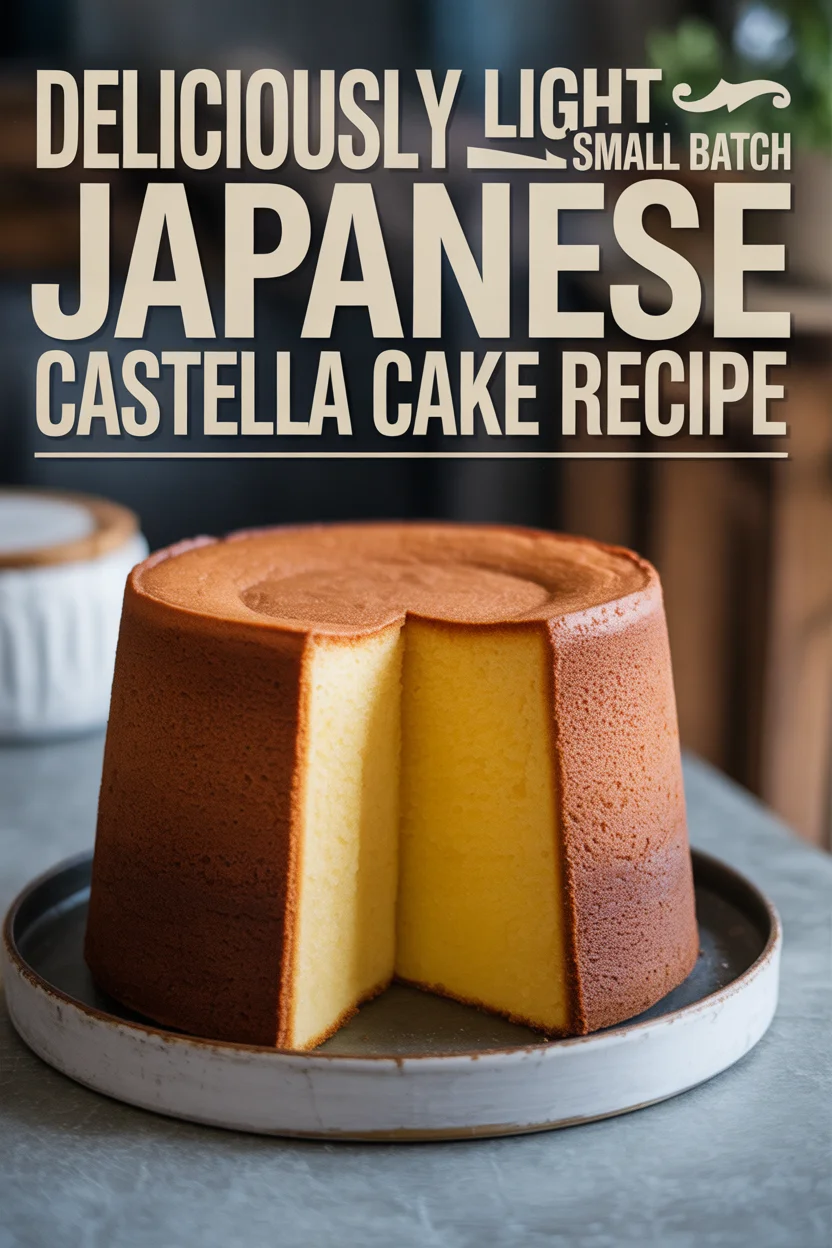
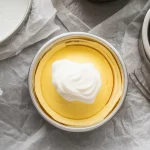
Japanese Cotton Cheesecake
Ingredients
For the cheesecake batter
- 6 large Eggs, separated Room temperature for better whipping
- 8 oz Cream cheese, softened Allows for easier mixing
- 1/2 cup Milk Adds moisture
- 2 tbsp Butter, melted For added tenderness
- 1 cup Cake flour, sifted Ensures a delicate crumb
- 3/4 cup Granulated sugar, divided To stabilize meringue and sweeten
Instructions
Preparation
- Preheat the oven to 320°F (160°C) and prepare a round cake pan by lining it with parchment paper.
- In a large mixing bowl, whisk together the softened cream cheese, milk, and melted butter until smooth.
- Stir in the egg yolks and half of the sugar until well combined, then add the sifted cake flour and mix until there are no lumps.
- In a separate bowl, whip the egg whites, gradually adding the remaining sugar, until soft to medium peaks form.
- Gently fold the meringue into the batter in three additions, being careful not to deflate the mixture.
- Pour the batter into the prepared cake pan.
Baking
- Prepare a water bath by placing the cake pan in a larger pan filled with hot water.
- Bake for 60 minutes, or until the cheesecake is set and the top is lightly golden.
- Turn off the oven and let the cheesecake cool inside with the door slightly open for about 10-15 minutes to prevent collapsing from temperature shock.